
Artificial intelligence is transforming eCommerce fulfillment by improving inventory planning, warehouse operations, shipping decisions, and demand forecasting. Instead of relying on manual processes, businesses can use AI to predict purchasing trends, optimize storage, select carriers more efficiently, and respond faster to supply chain disruptions, helping reduce costs while improving delivery performance.
According to a 2024 report from McKinsey & Company, AI has the potential to reduce supply chain forecasting errors by 20% to 30% while lowering lost sales and product unavailability, highlighting its growing impact on logistics and inventory planning.
Are delayed shipments, inventory shortages, or rising fulfillment costs making it harder to keep customers satisfied? AI fulfillment gives businesses smarter tools to anticipate demand, improve warehouse efficiency, automate routine decisions, and make shipping operations more responsive as customer expectations continue to rise.
Why Modern eCommerce Fulfillment Needs AI
Customer expectations have changed faster than many fulfillment operations. Buyers expect accurate inventory, fast shipping, and reliable delivery every time. Traditional systems often struggle to keep pace with those demands for several reasons:
- Higher order volumes
- Manual decision-making
- Supply chain disruptions
- Rising customer expectations
Higher Order Volumes
Online retailers now process far more orders than they did only a few years ago. Every order creates new decisions about inventory, packing, and shipping.
As order counts increase, manual processes become slower and more prone to mistakes. Fulfillment technology built around AI can evaluate thousands of orders in seconds and recommend the most efficient way to process them.
Manual Decision-Making
Many businesses still depend on employees to:
- Review spreadsheets
- Compare shipping rates
- Estimate inventory needs
Those tasks consume valuable time.
They can produce different results from one person to another. AI fulfillment turns large amounts of operational data into useful recommendations. Managers can make faster decisions without relying only on experience or guesswork.
Supply Chain Disruptions
Transportation delays, supplier shortages, and sudden demand changes can disrupt even well-organized operations. AI identifies unusual patterns early and predicts how those events may affect future orders.
That insight gives businesses more time to adjust purchasing plans or shipping strategies before small problems grow into larger ones across the AI supply chain.
Rising Customer Expectations
Fast delivery has become a standard expectation rather than a premium service. Customers expect accurate tracking and dependable arrival dates.
AI logistics analyzes carrier performance, delivery times, and historical shipping data to recommend better fulfillment decisions. That creates a more consistent customer experience and reduces costly delays.
How AI Improves Warehouse Operations and Inventory Management
A well-run warehouse depends on fast decisions and accurate information. AI turns live operational data into practical actions that improve daily performance in several important areas:
- Smarter product placement
- Warehouse optimization
- Inventory forecasting
- AI warehouse management
Smarter Product Placement
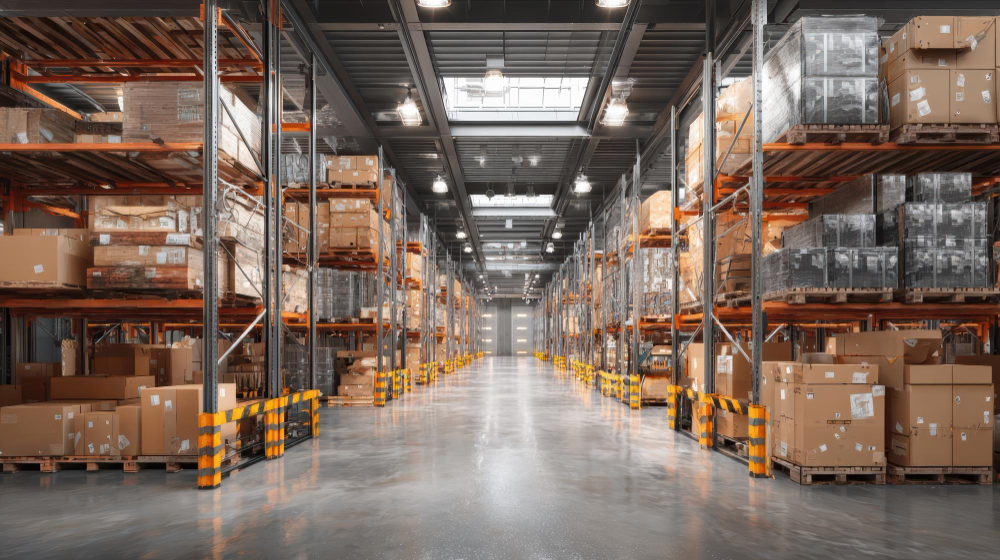
An AI warehouse studies how often products are picked and where employees spend the most time walking. Popular items move closer to packing stations.
Slower-selling products stay in less active areas. Shorter travel distances reduce picking time and increase the number of orders completed during each shift.
Warehouse Optimization
Warehouse optimization goes beyond shelf placement. AI examines order patterns, staffing levels, and equipment use throughout the day.
It can recommend schedule changes before bottlenecks develop. Managers gain a clearer picture of daily operations and can adjust resources with greater confidence.
Inventory Forecasting
Accurate inventory forecasting reduces expensive surprises. AI reviews sales history, seasonal buying habits, and purchasing trends to estimate future demand.
Better forecasts lower the risk of running out of popular products. They also reduce excess inventory that ties up storage space and working capital.
AI Warehouse Management
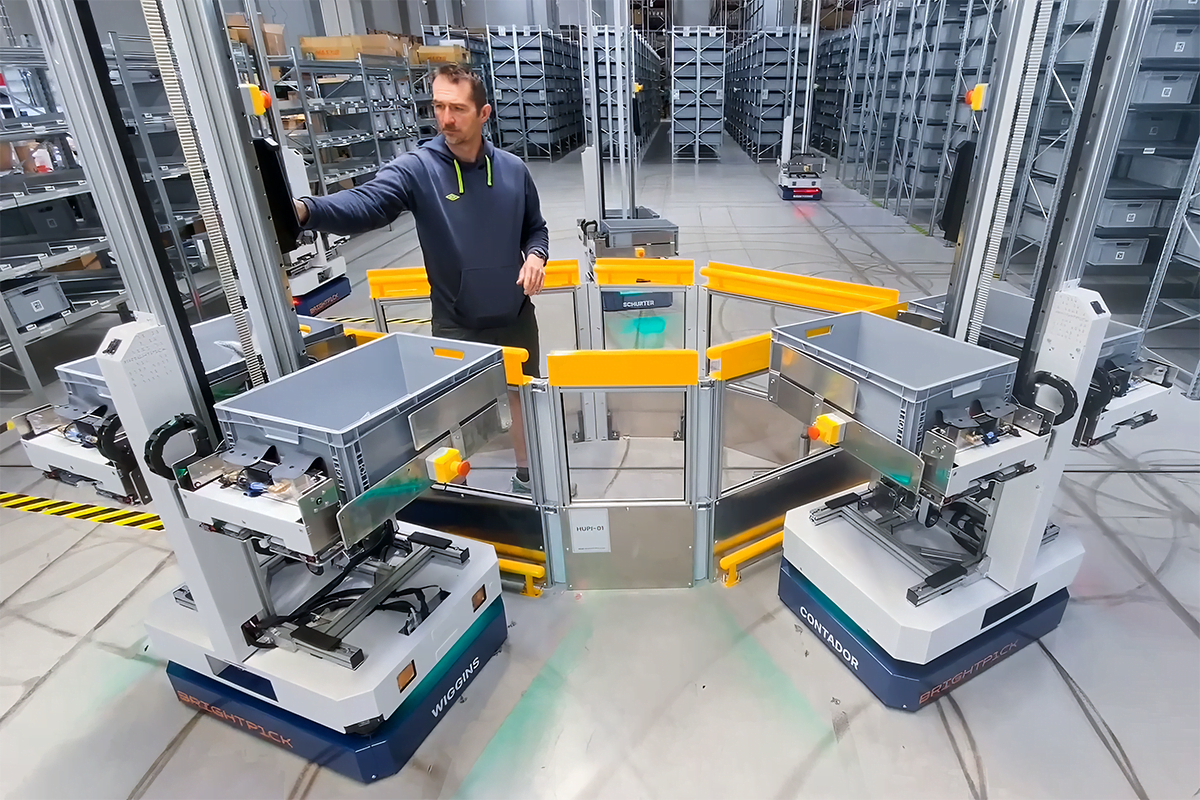
Modern AI warehouse management systems improve how work moves through the facility. They:
- Recommend picking routes
- Balance workloads across employees
- Identify delays before they affect shipping schedules
Instead of reacting after problems appear, warehouse teams can address issues early and maintain more consistent performance.
Smarter Shipping Decisions Through AI Logistics
Shipping decisions affect both operating costs and customer satisfaction. AI evaluates large amounts of shipping data and recommends better choices throughout the delivery process:
- AI carrier selection
- Predictive logistics
- Route optimization
- Shipment planning
AI Carrier Selection
Choosing the right shipping carrier involves more than comparing prices. AI carrier selection reviews past delivery performance, transit times, package size, and destination.
It recommends the carrier that best matches each order. That approach can reduce shipping costs without sacrificing reliability.
Predictive Logistics
Predictive logistics uses historical and real-time information to anticipate delivery problems before they happen. A weather event or regional slowdown may increase delays.
AI detects those patterns early. Shipping teams can adjust delivery plans before customers experience disruptions.
Route Optimization
Efficient routes save both time and fuel. AI shipping systems continuously review:
- Traffic conditions
- Delivery schedules
- Driver availability
They recommend faster routes when conditions change. Those adjustments improve delivery consistency and reduce unnecessary transportation expenses.
Shipment Planning
Strong AI logistics extends beyond moving individual packages. It evaluates order timing and shipping methods to improve the entire fulfillment process.
AI can recommend combining multiple orders into one shipment when practical. It can also identify the best dispatch time for each package. Those decisions reduce wasted capacity and strengthen the overall AI supply chain by keeping products moving more efficiently.
How Shopify AI Is Changing eCommerce Fulfillment Workflows
Artificial intelligence is becoming part of the platforms many online stores already use. That makes advanced fulfillment tools easier to adopt without replacing existing systems:
- Shopify AI
- Shopify Sidekick
- Operational insights
- Workflow improvements
Shopify AI
Shopify AI brings intelligent features directly into the daily work of running an online store. Instead of switching between different software tools, merchants can access recommendations within the Shopify platform.
Those insights can improve inventory planning, product management, and fulfillment decisions without adding extra steps to routine tasks.
Shopify Sidekick
Shopify Sidekick acts as an AI assistant for store owners and managers. Users can ask questions in plain language and receive summaries, reports, or recommendations based on store data.
That saves time spent searching through dashboards and makes important information easier to understand. Faster answers often lead to faster business decisions.
Operational Insights
Many fulfillment problems begin before an order reaches the warehouse. Shopify AI can identify slow-selling products, changing buying patterns, or inventory levels that deserve attention.
Those insights improve planning and reduce avoidable disruptions. Merchants spend less time reviewing reports and more time responding to meaningful trends.
Workflow Improvements
AI can automate routine tasks that once required manual effort. Product descriptions, customer responses, and store analysis can all be completed more quickly. That frees employees to focus on fulfillment accuracy, customer service, and business growth instead of repetitive administrative work.
Frequently Asked Questions
What Is the Difference Between AI and Traditional Warehouse Automation?
Traditional warehouse automation follows fixed instructions. A conveyor belt or sorting machine performs the same task each time unless someone changes its settings.
AI takes a different approach. It studies operational data, recognizes patterns, and improves future decisions without requiring constant manual adjustments.
An AI warehouse management system can adapt to changing order volumes, recommend better storage locations, and identify new workflow improvements as business conditions change. That flexibility makes AI more valuable in fast-moving fulfillment environments.
Can Small Online Stores Benefit From AI Fulfillment Tools?
Yes. Many cloud-based platforms now include AI fulfillment features that were once available only to large retailers. Small businesses can use subscription software to improve inventory planning, automate routine tasks, and analyze sales data without investing in expensive hardware.
Many third-party logistics providers have also added AI features, making advanced Fulfillment technology more accessible for growing online stores.
How Does AI Help Reduce Returns and Delivery Errors?
Many returns begin with avoidable mistakes during fulfillment. AI can verify shipping addresses before labels are printed and identify unusual orders that deserve additional review.
Some systems recommend packaging that better protects products during transit. Others compare order details against inventory records before shipment. Those checks reduce preventable errors and improve delivery accuracy without slowing daily operations.
Will AI Replace Warehouse Workers?
AI is more likely to change warehouse jobs than eliminate them. Repetitive work and routine analysis can shift to automated systems. Employees can spend more time:
- Solving exceptions
- Improving quality
- Maintaining equipment
- Assisting customers
Human judgment remains valuable when unexpected situations arise. The strongest fulfillment operations often combine AI with experienced workers who can make thoughtful decisions that software alone cannot.
AI Warehouse Management in 2026
AI is reshaping eCommerce fulfillment through smarter inventory planning, warehouse operations, shipping decisions, and forecasting. Businesses that combine intelligent automation with human expertise can improve efficiency, reduce costs, and respond more effectively to changing customer expectations. As AI advances, fulfillment will become faster, more accurate, and increasingly adaptable.
At ShipTop, we simplify logistics by combining warehousing, fulfillment, shipping, and supply chain services into one integrated solution. Our strategically located fulfillment centers across North America enable fast, scalable order fulfillment for eCommerce brands serving DTC, retail, wholesale, and marketplace channels. From freight forwarding and cross-border logistics to returns management and supply chain technology, we give merchants one trusted partner to manage their entire fulfillment operation.
Get in touch today to find out how we can help with your logistics needs.