
B2B fulfillment and DTC fulfillment differ primarily in who receives the products, how orders are processed, and the shipping methods required. Business-to-business orders typically involve larger shipments, retailer requirements, and scheduled deliveries, while direct-to-consumer orders focus on individual purchases, faster parcel shipping, branded packaging, and convenient returns. Choosing the right model depends on your customers, sales channels, and operational goals.
According to the U.S. Census Bureau, U.S. retail e-commerce sales reached approximately $326 billion during the first quarter of 2026, highlighting the continued growth of online purchasing and the increasing importance of efficient fulfillment strategies.
Are your shipping processes keeping pace with the way your customers actually buy? Understanding B2B fulfillment and its differences from direct-to-consumer operations helps businesses reduce costly mistakes, improve inventory management, and build a fulfillment strategy that supports both day-to-day operations and long-term growth.
What Is B2B Fulfillment?
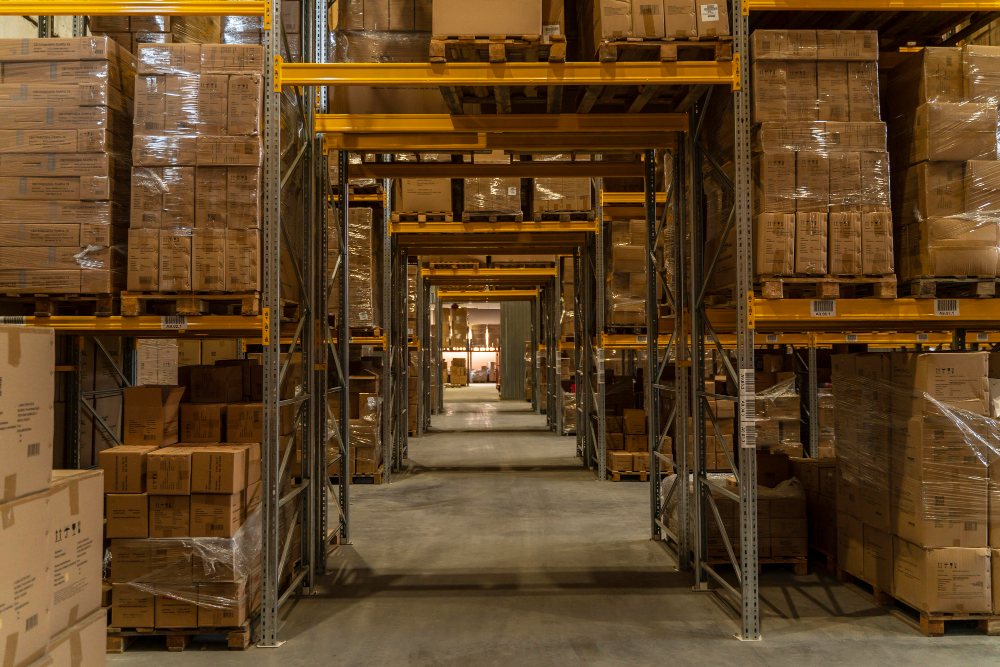
B2B fulfillment focuses on shipping products from one business to another instead of directly to individual shoppers. These orders usually follow stricter requirements and involve larger shipments than consumer purchases. Most B2B operations share several common characteristics:
- Larger order quantities
- Business customers
- Scheduled deliveries
- Compliance requirements
- Freight shipping
Larger Order Quantities
Most B2B orders contain many units of the same product. A retailer may purchase several pallets to stock store shelves for weeks or months.
That changes how products are picked, packed, and loaded. Warehouse teams often move full cases or pallets instead of selecting single items.
Business Customers
Business buyers include retailers, wholesalers, distributors, manufacturers, and commercial organizations. Many orders fall under wholesale fulfillment, where products move from a supplier to another business for resale. Retail fulfillment follows a similar path but often includes shipments sent directly to retail locations that will sell the products to consumers.
Scheduled Deliveries
Unlike home deliveries, B2B shipments often arrive at warehouses or receiving docks with scheduled appointments. Buyers may require deliveries during specific hours. Missing those windows can delay inventory or lead to additional fees.
Compliance Requirements
Many business customers require suppliers to follow detailed shipping rules. These rules may cover pallet size, carton labels, barcode placement, or electronic paperwork. Following these standards keeps deliveries moving through receiving departments without unnecessary delays.
Freight Shipping
Many B2B orders travel by less-than-truckload or full truckload freight instead of parcel carriers. Large shipments lower transportation costs per unit and reduce the number of deliveries needed. Many companies work with a 3PL that already has warehouse space, freight connections, and systems built for high-volume order fulfillment.
What Is DTC Fulfillment?
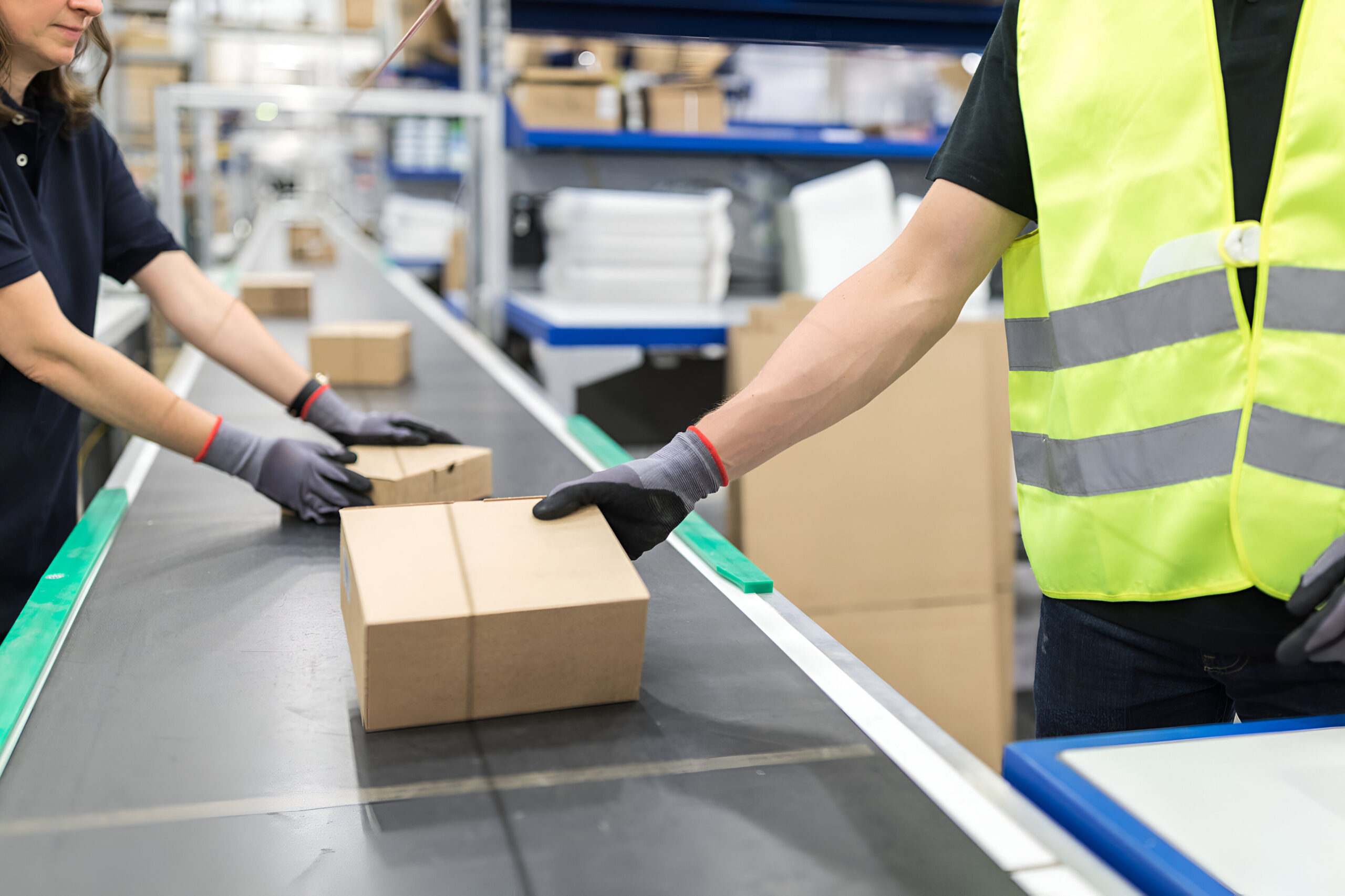
DTC fulfillment centers on shipping products directly from a business to the end customer. Every order represents an individual purchase, so speed, accuracy, and the customer experience matter from the moment an order is placed. Most DTC operations focus on these core areas:
- Individual customer orders
- Picking and packing
- Fast delivery
- Returns management
- Brand experience
Individual Customer Orders
Unlike wholesale shipments, DTC orders usually contain one or several products purchased through an online store. Every order must be processed separately. That creates a higher number of daily shipments, even if the total product volume stays similar.
Picking and Packing
Warehouse staff locate each ordered item and prepare it for shipment. Accuracy matters at every step. Sending the wrong size or color often leads to returns, extra shipping costs, and unhappy customers.
Fast Delivery
Many shoppers expect quick shipping and regular tracking updates. Delays can affect customer satisfaction even if the product arrives in good condition. Reliable order fulfillment keeps buyers informed and builds confidence in future purchases.
Returns Management
Returns are a normal part of eCommerce fulfillment. Customers may exchange an item or request a refund for many reasons. A simple return process reduces frustration and speeds inventory back into stock when products remain sellable.
Brand Experience
Packaging often becomes part of the buying experience in DTC fulfillment. Clean presentation, branded materials, and accurate orders leave a stronger impression after delivery. As order volumes grow, many companies partner with a 3PL to manage daily shipping without sacrificing quality or consistency.
Major Differences Between B2B and DTC Fulfillment
Although both models move products from a warehouse to a customer, the daily work looks very different. Each process follows its own priorities, shipping methods, and customer expectations:
- Order size and volume
- Packaging requirements
- Shipping methods
- Delivery expectations
- Documentation
- Customer service
Order Size and Volume
B2B fulfillment usually centers on large orders sent to business customers. A single shipment may contain hundreds of products.
DTC fulfillment focuses on individual purchases. That means warehouse teams process many more separate orders each day.
Packaging Requirements
Business shipments usually prioritize protection and efficient handling. Consumer orders place more attention on presentation. Branded boxes, inserts, and careful packing can shape a customer’s opinion of the business before they even use the product.
Shipping Methods
Most wholesale fulfillment relies on freight carriers that move pallets or large shipments. Consumer orders usually travel through parcel carriers. That difference affects shipping costs, delivery times, and warehouse planning.
Delivery Expectations
Business customers often schedule deliveries in advance. Retail locations may only accept shipments during specific receiving hours. Consumers usually expect faster delivery and frequent tracking updates throughout the shipping process.
Documentation
Business shipments often require purchase orders, invoices, shipping labels, and retailer paperwork before products are accepted. Consumer purchases involve much simpler records. Most buyers only expect an order confirmation, shipping notice, and receipt.
Customer Service
Business relationships usually involve ongoing communication between suppliers and purchasing teams. Questions often focus on inventory levels, delivery schedules, or future orders.
Consumer service centers on individual concerns. Those conversations often involve shipping updates, product questions, exchanges, or returns.
Choosing the Right Fulfillment Strategy for Your Business
The right fulfillment model depends on how your business sells products and who buys them. A company’s size matters less than its customers, order patterns, and long-term plans. Before choosing a strategy, look closely at these factors:
- Order size
- Sales channels
- Shipping destinations
- Inventory complexity
- Return volume
- Growth plans
Order Size
Large business orders often fit B2B fulfillment. Smaller purchases usually fit DTC fulfillment. Looking at your average order size gives a good starting point when comparing both models.
Sales Channels
Some companies sell only to retailers. Others sell only through their own website.
Many do both. Selling through multiple channels often requires different workflows to keep orders moving without delays.
Shipping Destinations
Freight shipments to stores create different demands than parcel deliveries to homes. Delivery schedules, carrier choices, and shipping costs all change based on the destination.
Inventory Complexity
Managing inventory becomes harder as product lines and sales channels grow. Shared inventory can work well, but only if stock levels stay accurate across every selling platform.
Return Volume
Consumer businesses often process more returns than wholesale sellers. Planning for inspections, refunds, and restocking keeps inventory accurate and customers satisfied.
Growth Plans
Many businesses start with one sales model and later expand into another. A flexible 3PL can make that transition easier. It can manage both eCommerce fulfillment and business shipments without requiring separate warehouse operations.
Frequently Asked Questions
What Are Retail Compliance Requirements in B2B Shipping?
Retail compliance requirements are shipping rules created by retailers to standardize incoming deliveries. Large chains often publish detailed routing guides that explain exactly how suppliers must prepare shipments.
Those instructions may cover carton labels, pallet sizes, barcode placement, packaging materials, and delivery appointments. Following those requirements reduces delays at receiving docks and lowers the chance of financial penalties called chargebacks.
Can One Warehouse Handle Both B2B and DTC Orders?
Yes. Many businesses successfully manage both models from the same warehouse. The key is separating workflows instead of separating inventory.
Warehouse software directs employees through different picking, packing, and shipping processes based on the order type. A business order may move to a freight dock, while a consumer order moves to a parcel station. With accurate inventory tracking, one facility can efficiently process both order types.
What Technology Helps Businesses Manage Multiple Fulfillment Channels?
Businesses that sell through several channels often rely on connected software instead of separate systems. A warehouse management system tracks inventory inside the warehouse.
An order management system gathers orders from different sales channels and sends them to the correct fulfillment process. Many companies also use inventory synchronization tools to prevent overselling and electronic data interchange, or EDI, to exchange business documents with retail partners. Together, these systems improve accuracy, speed order processing, and give managers better visibility across their fulfillment operation.
Better Order Fulfillment in 2026
Choosing the right fulfillment model starts with understanding how your customers buy and what they expect after placing an order. B2B fulfillment and direct-to-consumer operations each require different processes, shipping methods, and technology. Businesses that match their fulfillment strategy to their sales channels can improve efficiency and prepare for sustainable growth.
At ShipTop, we simplify logistics for eCommerce brands with technology-driven 3PL services across North America. Our fulfillment centers in Vancouver, Toronto, Blaine, and Ferndale deliver fast, scalable solutions for DTC, wholesale, retail, and marketplace orders. Beyond warehousing, we combine freight forwarding, cross-border logistics, customs coordination, returns management, and supply chain technology into one integrated solution, giving merchants a single trusted logistics partner.
Get in touch today to find out how we can help with your logistics.