
Container drayage is the short-distance transportation of shipping containers between ports, rail yards, and nearby warehouses, forming a critical first step in inland freight movement. At Canada’s major ports, drayage keeps cargo flowing by coordinating terminal pickups, customs clearance timing, and rapid container transfers that prevent costly delays.
Have you ever wondered what actually happens to a container the moment it leaves a ship? In other words, “What is drayage?”
Today we’re taking a closer look into how drayage works at Canada’s busiest ports and why it matters for modern container transportation and supply chain management.
What Is Drayage?
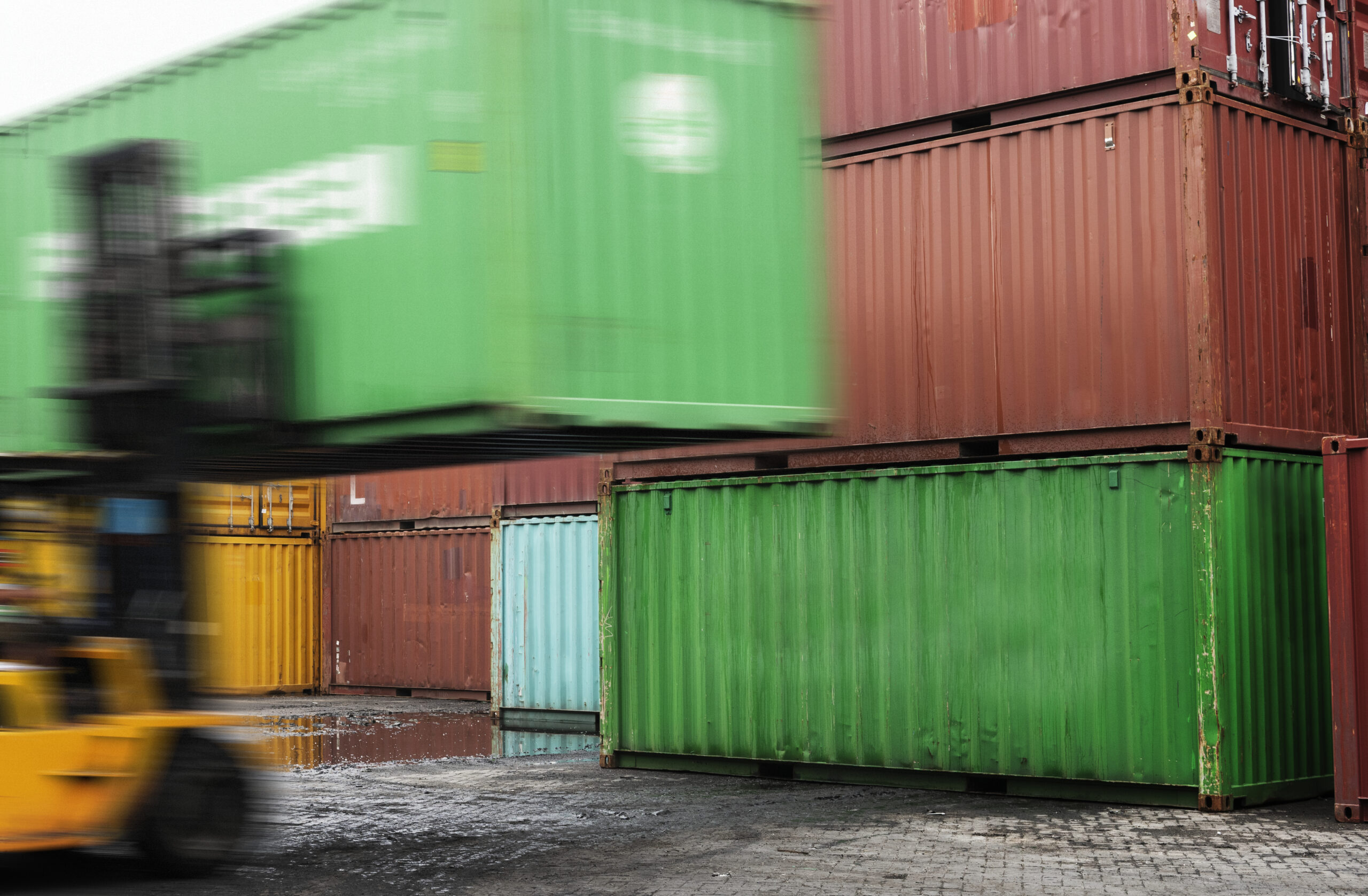
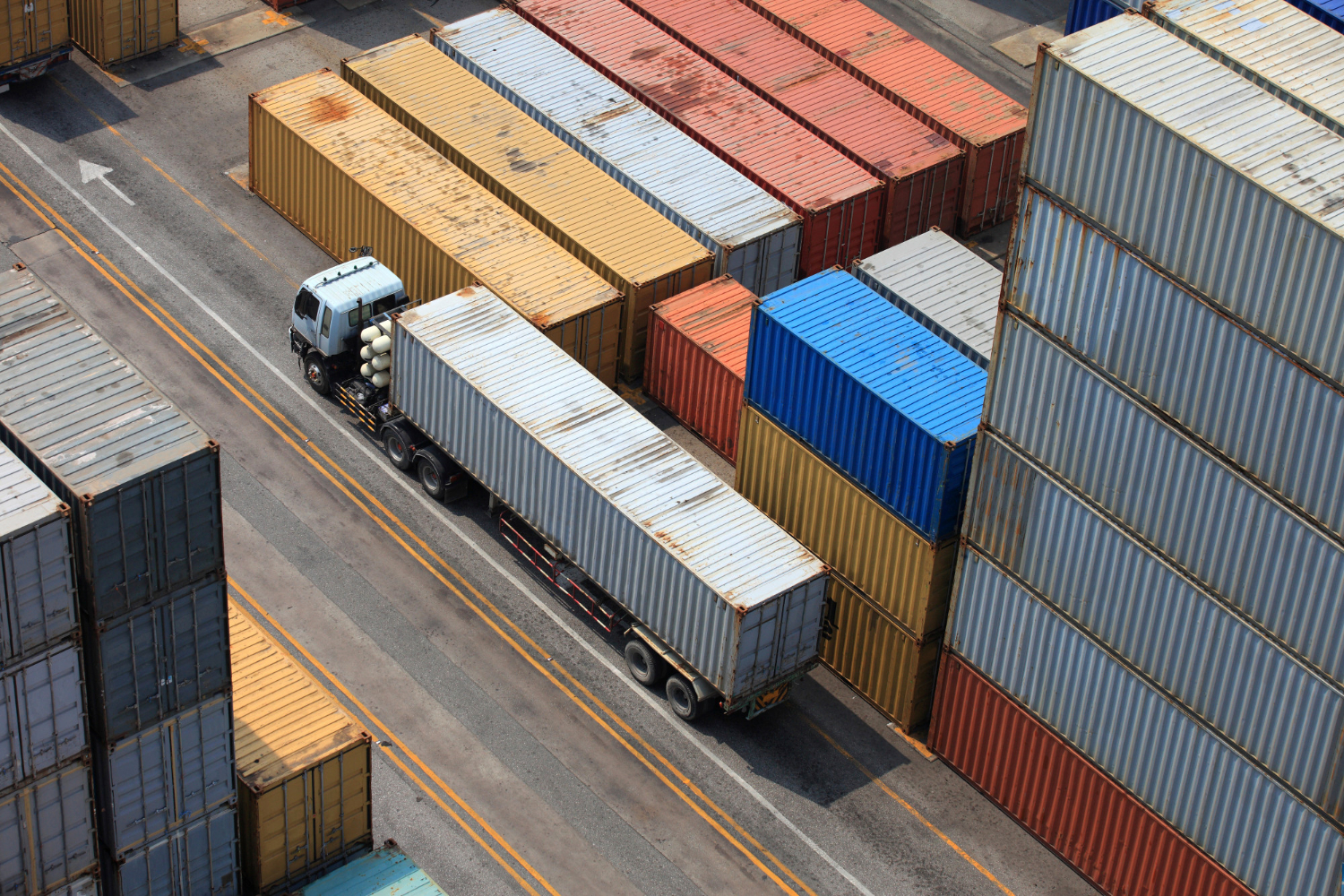
A single delay at the port can ripple through warehouses, rail yards, and retail delivery. Drayage refers to the short-distance movement of sealed containers between ports and nearby facilities. Drivers pick up cargo straight from terminals and move it to rail hubs or storage sites.
The distance stays small, yet the timing stays strict. Fast turnover keeps terminals from clogging and supports steady container transportation.
Drayage acts as the bridge between ocean freight, rail, and trucking networks. Containers move without unloading the cargo inside.
Role in the Canadian Shipping Industry
Major ports across Canada rely on drayage to keep imports and exports moving. Vancouver, Montreal, and Prince Rupert process huge container volumes each day.
Every container must leave the terminal quickly so the next shipment can arrive. Efficient drayage supports national trade and keeps supply chain management stable.
What Is Transloading?
Transloading refers to moving cargo from one container or mode of transport to another before final delivery. Unlike drayage, which keeps goods inside the same sealed container, transloading involves physically unloading freight and reloading it.
Companies use transloading to:
- Adjust shipment size
- Shift from ocean containers to domestic trailers
- Prepare freight for regional distribution.
The process supports flexible container transportation when cargo must match inland equipment standards.
Container Unloading vs Transloading
Container unloading simply means removing cargo from a container at its destination warehouse. Transloading happens earlier in the journey and serves a strategic purpose.
Freight gets transferred into new equipment so it can continue traveling efficiently. Businesses choose transloading when they want to combine shipments, split freight, or reroute goods.
How Drayage Works at Canada’s Major Ports
Container movement at a major port follows a tight sequence that leaves little room for delay. Each transfer depends on timing between terminals, drivers, and inland facilities.
Several operational steps define how containers leave a Canadian terminal:
- Vessel discharge and staging
- Dispatch and pickup scheduling
- Transfer to inland facilities
Vessel Discharge and Staging
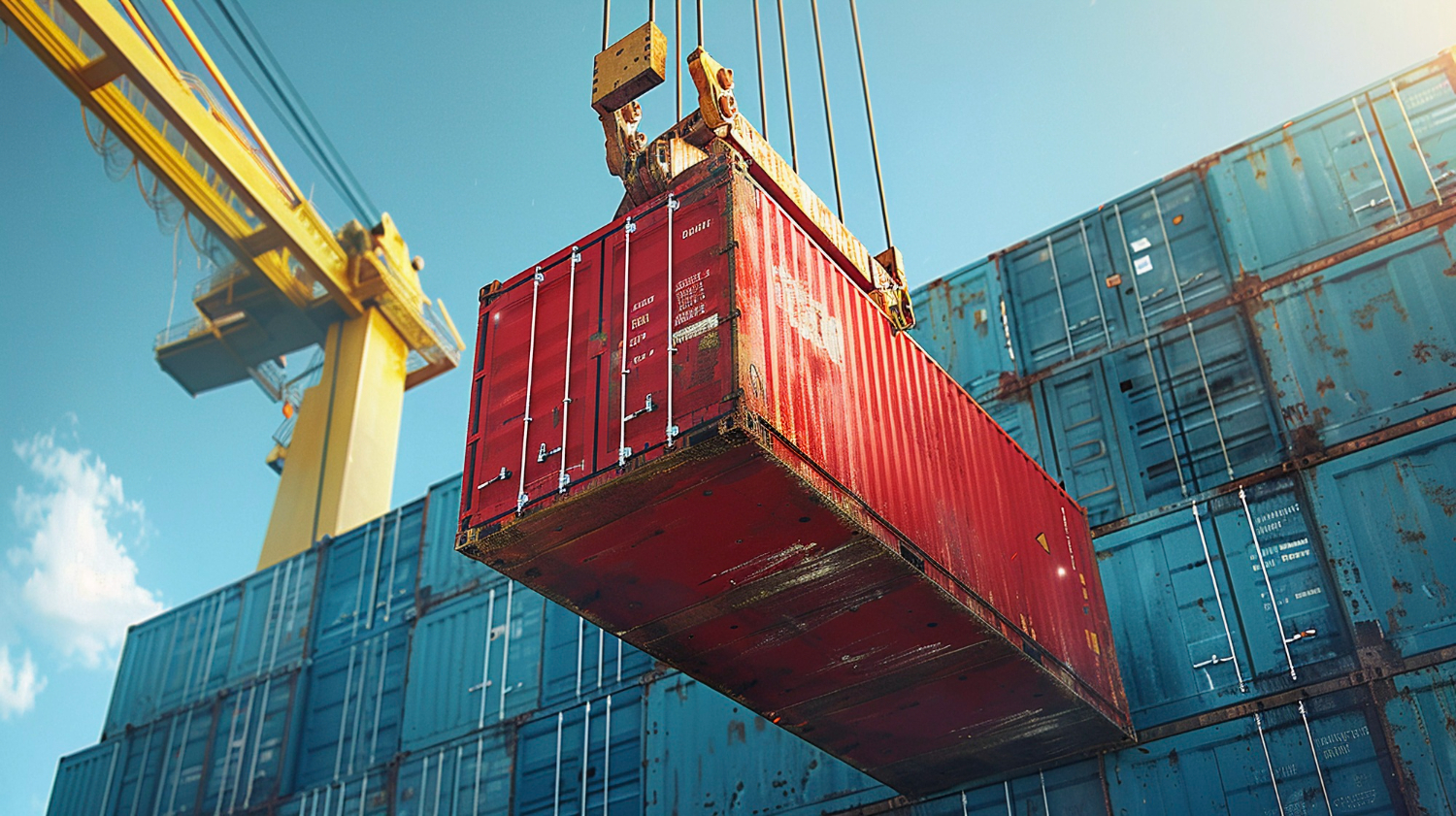
When a cargo ship docks, cranes unload containers and place them in staging areas. Terminal software logs each unit and assigns a release status.
Customs checks may hold some containers while others move forward. Efficient staging keeps port logistics organized and reduces traffic inside the terminal.
Dispatch and Pickup Scheduling
Drayage services rely on appointment systems to control truck flow. Dispatch teams assign drivers to exact pickup windows.
Drivers must arrive with approved documentation and equipment. Tight scheduling prevents congestion and protects turnaround speed. Ports depend on disciplined timing to keep gates open and cargo moving.
Transfer to Inland Facilities
After pickup, drivers transport containers to rail yards or warehouses near the port. Some loads head to intermodal rail for cross-country travel.
Others enter local distribution centers. Each transfer supports supply chain management by moving freight away from crowded docks and into domestic networks.
Why Drayage Is Critical to Canada’s Supply Chain
Port activity depends on how fast containers move away from the dock. Ships arrive on fixed schedules, yet inland delivery relies on trucks leaving the terminal without delay.
When drayage slows down, warehouses feel the pressure within hours. Reliable drayage services hold the Canadian shipping industry together.
Several supply chain effects show why drayage carries so much weight:
- Prevention of port bottlenecks
- Protection of shipping costs
- Connection to inland freight networks
Prevention of Port Bottlenecks
Containers stack up quickly when trucks can’t reach terminals on time. Congested yards slow crane operations and ship unloading.
Drayage keeps freight circulating instead of sitting idle. Smooth port logistics allow terminals to accept new cargo without gridlock.
Protection of Shipping Costs
Delays trigger storage fees, detention charges, and missed rail slots. Those penalties add up fast.
Efficient container transportation lowers exposure to extra costs. Strong scheduling discipline protects both carriers and shippers from avoidable expenses.
Connection to Inland Freight Networks
Ports don’t function in isolation. Rail systems and distribution centers depend on steady container flow.
Drayage acts as the transfer point that feeds inland freight routes. Stable supply chain management relies on that link staying predictable.
Frequently Asked Questions
What Factors Affect Drayage Pricing in Canada?
Drayage pricing shifts with fuel rates, labor availability, and terminal congestion. Appointment delays can raise hourly costs when drivers sit idle at the gate.
Equipment shortages raise rates during peak shipping seasons. Port surcharges and chassis rental fees add another layer. The Canadian shipping industry often sees price swings tied to global freight demand.
How Do Port Regulations Influence Drayage Operations?
Canadian ports enforce strict access rules that shape daily drayage services. Drivers must meet licensing, safety, and identification standards before entering terminals.
Customs inspections can pause container release, which affects pickup timing. Port logistics depend on compliance with security systems and appointment windows. Regulatory discipline keeps cargo flow organized across busy terminals.
What Technologies Are Improving Container Drayage Efficiency?
Digital scheduling platforms now coordinate pickup times with terminal capacity. GPS tracking gives dispatch teams real-time container visibility.
Electronic documentation reduces paperwork errors and speeds gate entry. Automated yard systems help ports track container placement. These tools tighten supply chain management and reduce guesswork in container transportation.
Better Supply Chain Management
What is drayage? Now you know! Drayage shapes how freight leaves Canada’s ports and enters inland distribution. Every container relies on tight timing, specialized coordination, and disciplined port logistics.
ShipTop delivers integrated logistics solutions across Canada and the US, combining port services, transportation, and warehousing into one coordinated system. We support importers, distributors, and manufacturers who depend on reliable freight execution. Our team connects container drayage, nationwide shipping, and value-added storage services to keep cargo moving without friction.
Get in touch today to find out how we can help with your freight needs.